



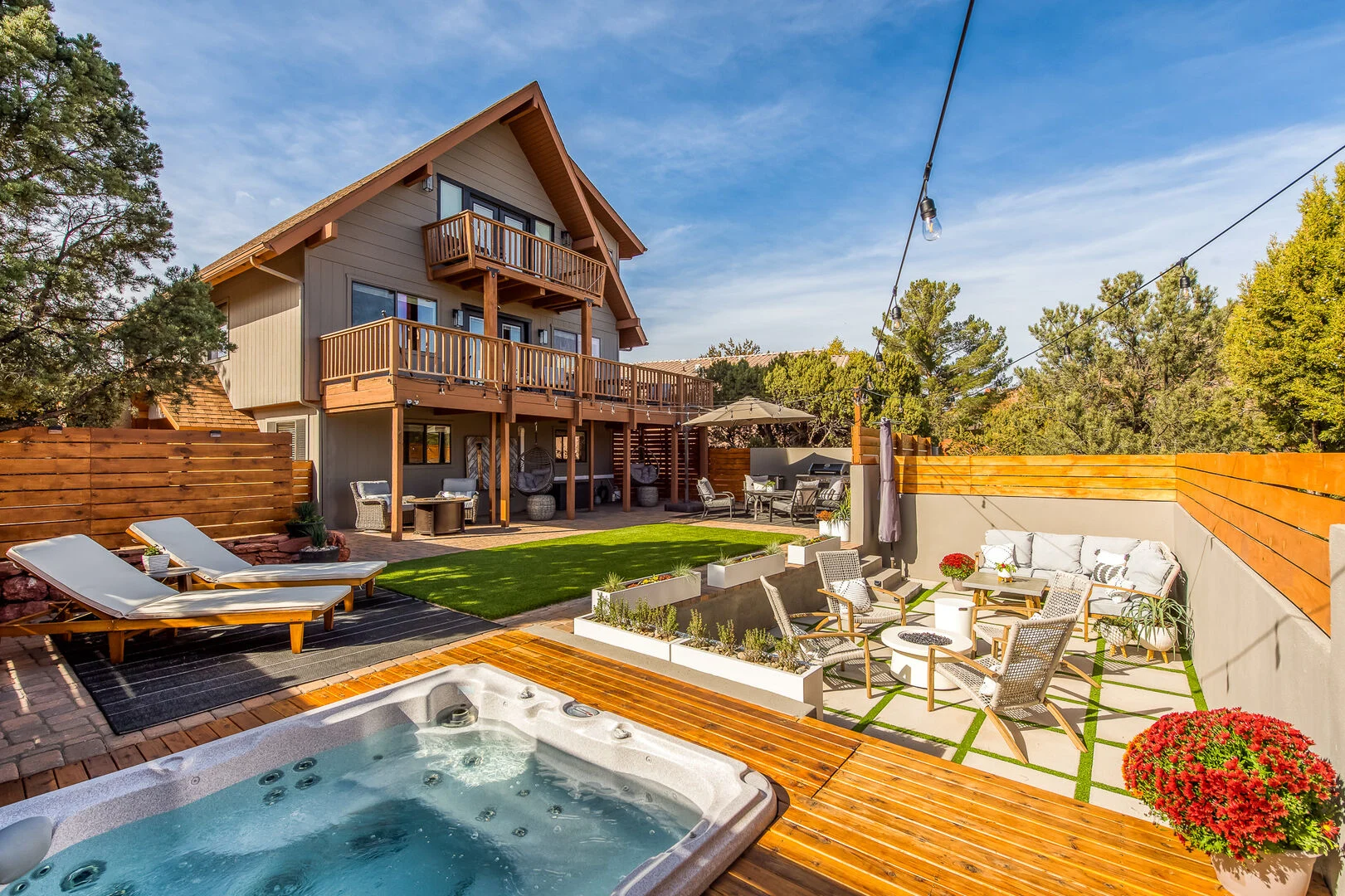
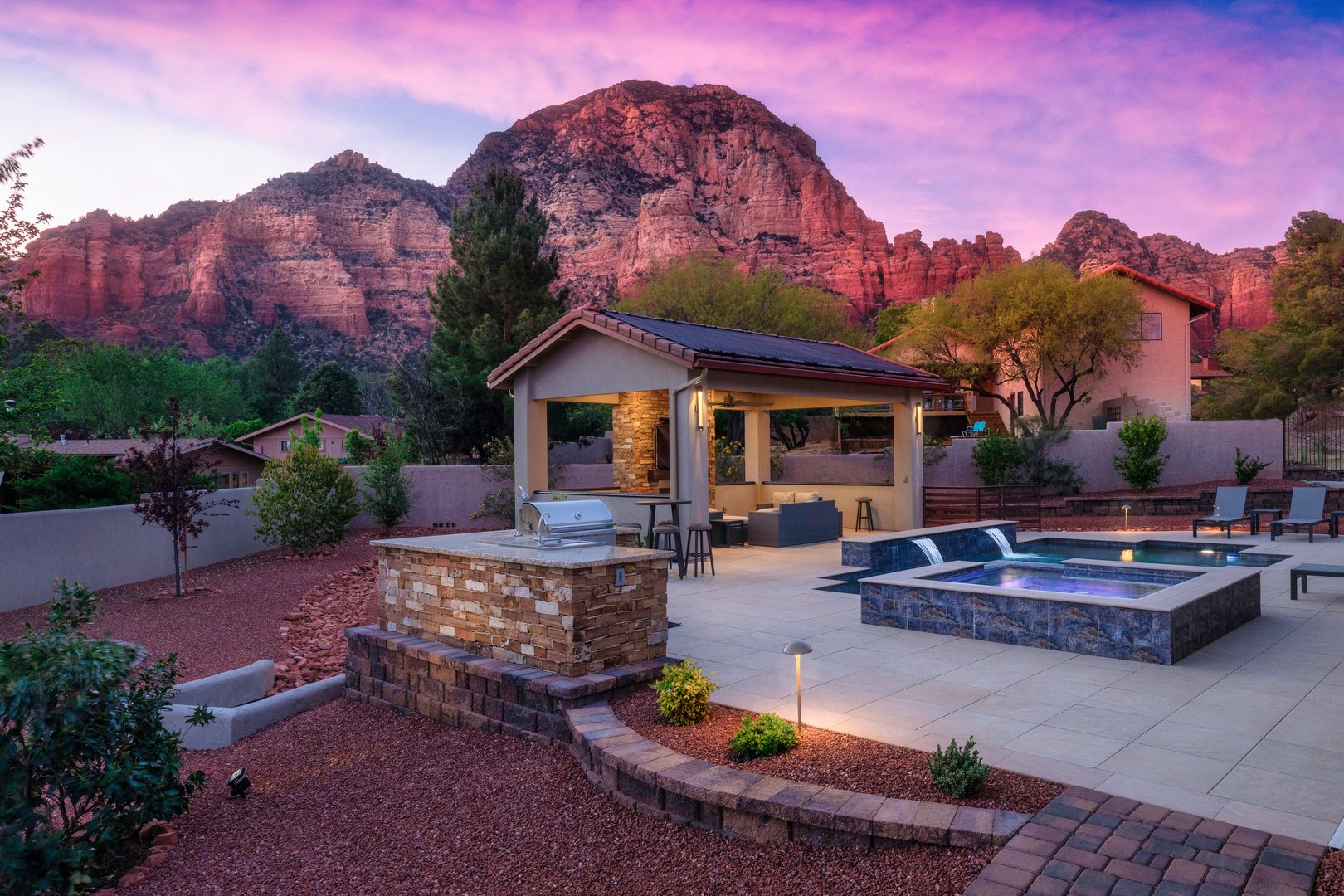
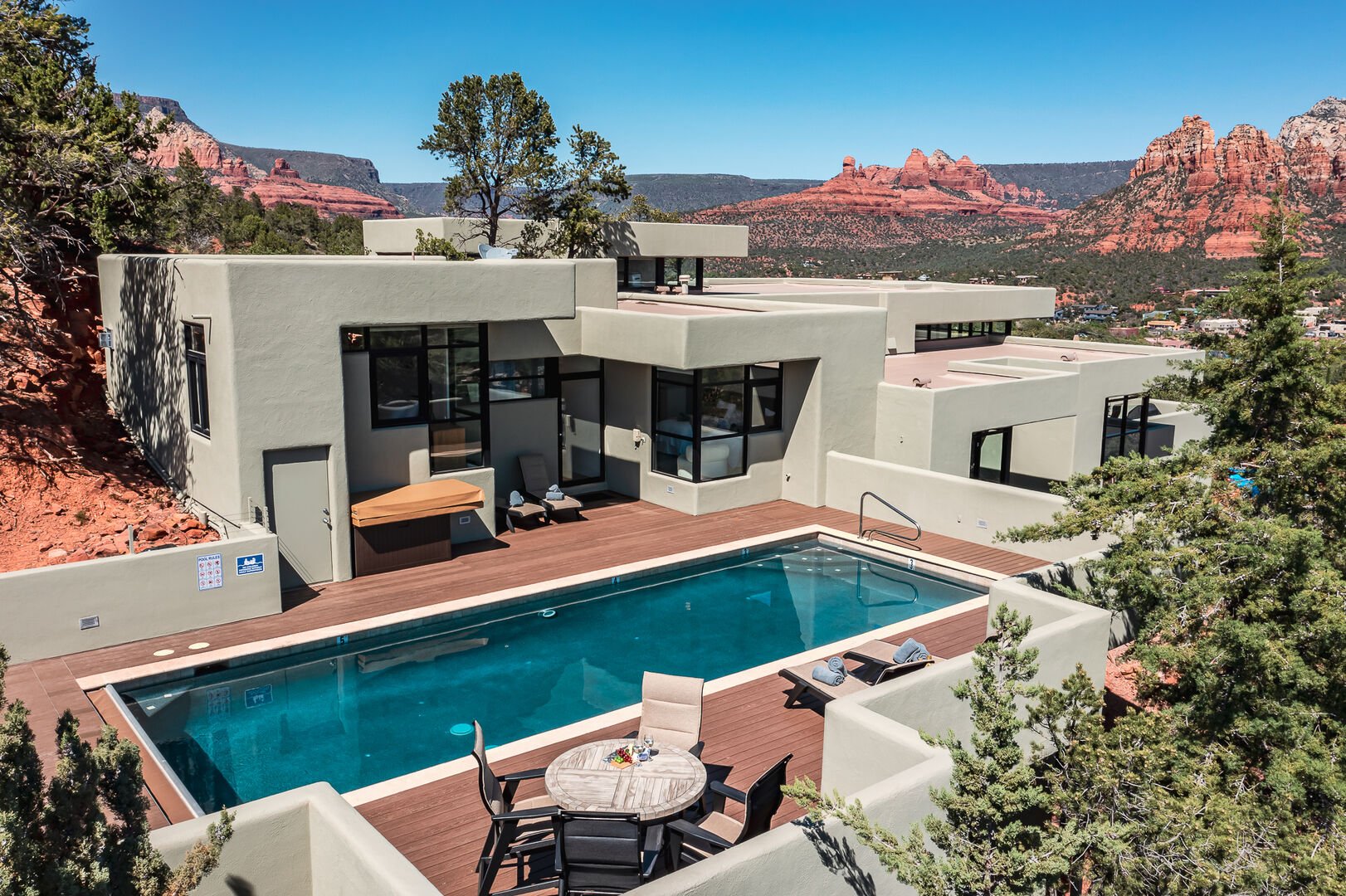
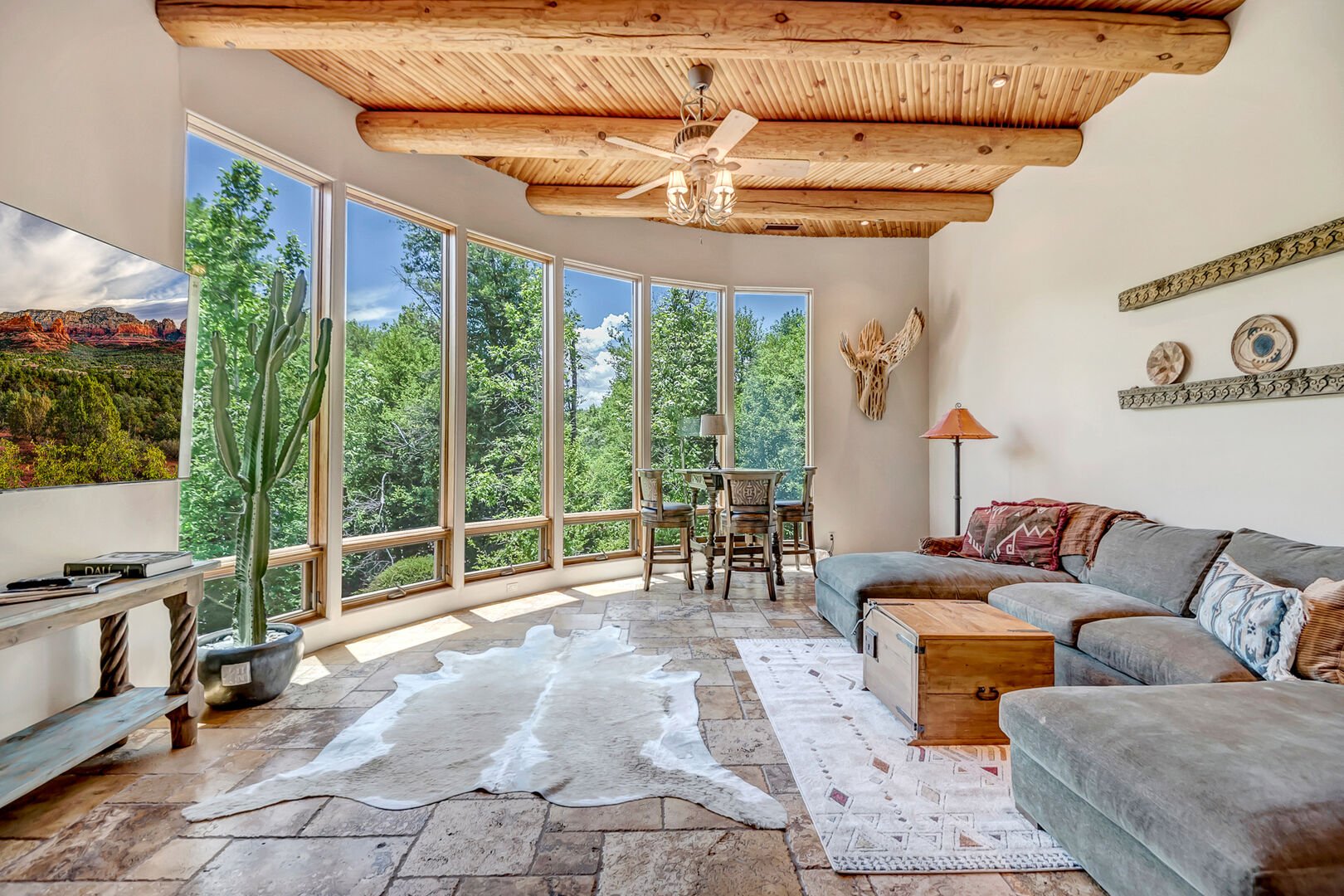
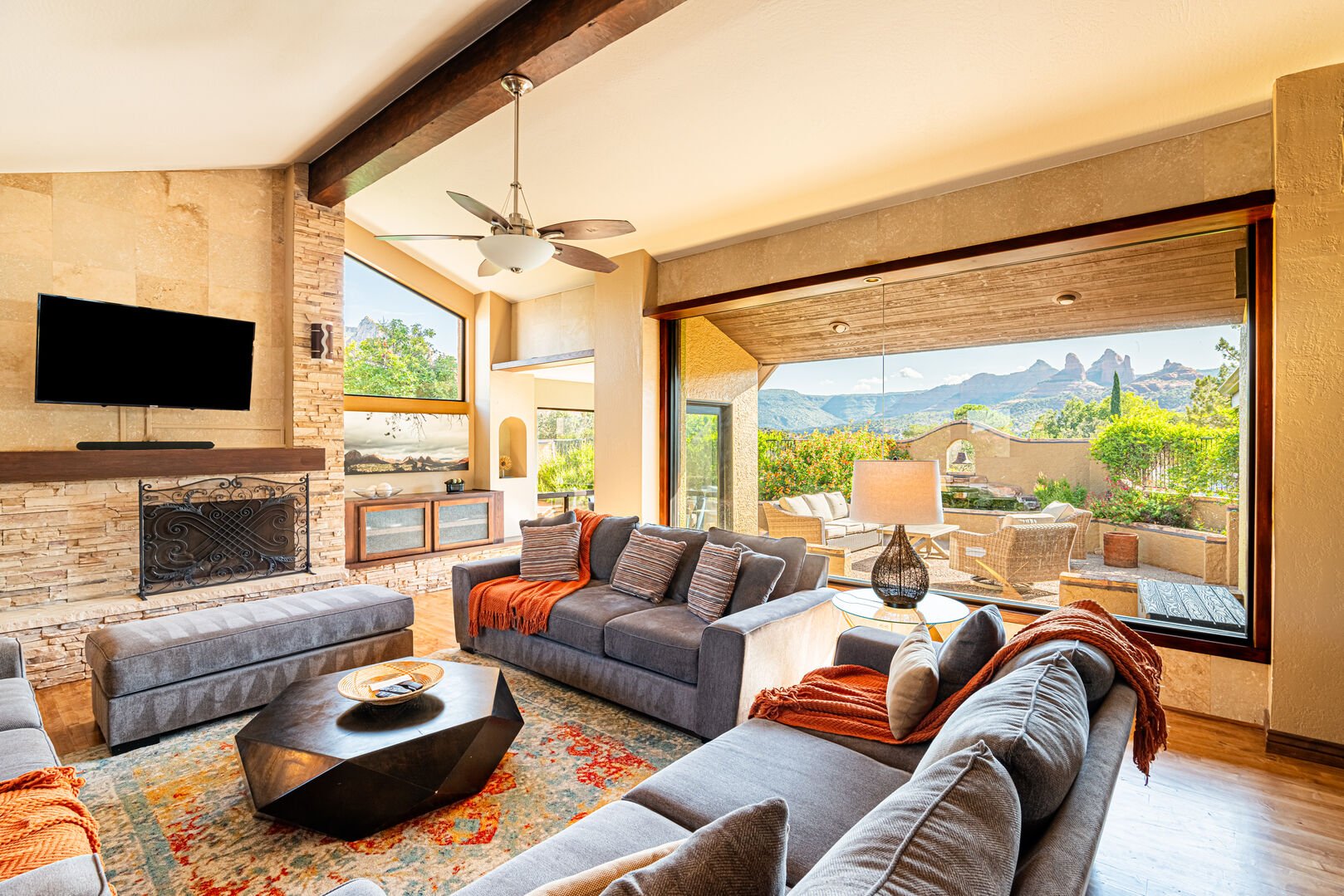
Ready for your first Sedona trip? Expect stunning red rock trails, spiritual energy sites, and vibrant local arts. This guide shares expert tips on avoiding the crowds, picking the right season, and finding the best food. It is your essential plan for a magical desert getaway.
Planning your first trip to Sedona, Arizona? You’re in for an unforgettable adventure. This stunning desert destination welcomes 3.2 million visitors annually, drawn by its otherworldly red rock formations, spiritual vortex sites, and endless outdoor recreation. Whether you’re seeking challenging hikes, peaceful meditation spots, or simply breathtaking scenery, Sedona delivers an experience that will captivate your senses and rejuvenate your spirit.
Nestled in northern Arizona at 4,350 feet elevation, Sedona offers a unique blend of natural beauty and artistic culture that sets it apart from typical desert destinations. The iconic red rocks—formed from layers of sandstone dating back millions of years—create a dramatic backdrop for everything from world-class hiking trails to award-winning restaurants.
First-time visitors often find themselves overwhelmed by the sheer number of attractions, which is why this comprehensive guide will help you prioritize the must-see places that define the Sedona experience. Get your first trip planned right now with Your Sedona Travel Experts.
Contents
- The Magnificent Hiking Trails: Sedona’s Main Attraction
- Exploring Sedona’s Mystical Vortex Sites
- Architectural Marvels and Cultural Attractions
- Thrilling Adventures and Unique Experiences
- Culinary Delights: Dining in Sedona
- Best Times to Visit Sedona
- Navigating Parking and Transportation
- Essential Visitor Tips
The Magnificent Hiking Trails: Sedona’s Main Attraction
Hiking represents the quintessential Sedona experience, and the area’s extensive trail network caters to all fitness levels. With over 100 trails winding through red rock country, first-time visitors should prioritize these iconic routes that showcase Sedona’s natural splendor.
Devil’s Bridge: The Iconic Natural Arch
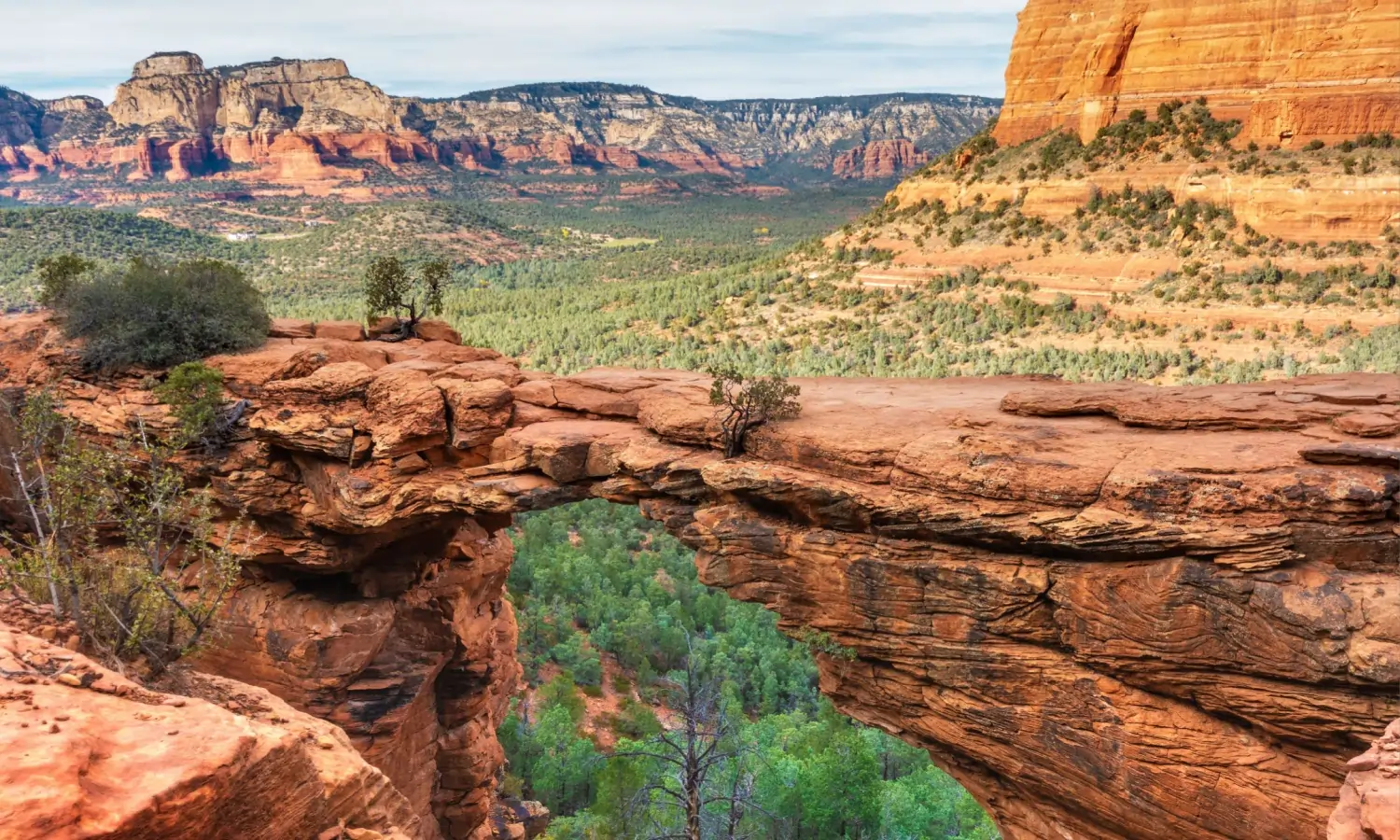
Devil’s Bridge stands as Sedona’s most photographed landmark and the largest natural sandstone arch in the area. This 4.2-mile round-trip hike attracts thousands of visitors seeking that Instagram-worthy shot atop the massive stone bridge. The trail begins with a relatively easy approach before culminating in a steep climb to reach the arch itself.
First-time hikers should arrive before 7:00 AM to secure parking and avoid the crowds that typically fill the trailhead by mid-morning. The final ascent to the bridge requires some scrambling over rocks, but the payoff—panoramic views of the surrounding red rock formations—makes every step worthwhile. While the popularity of Devil’s Bridge means you’ll likely share the experience with other visitors, the sheer majesty of standing on this natural wonder justifies its reputation as a must-do Sedona hike.
Cathedral Rock: A Spiritual Powerhouse
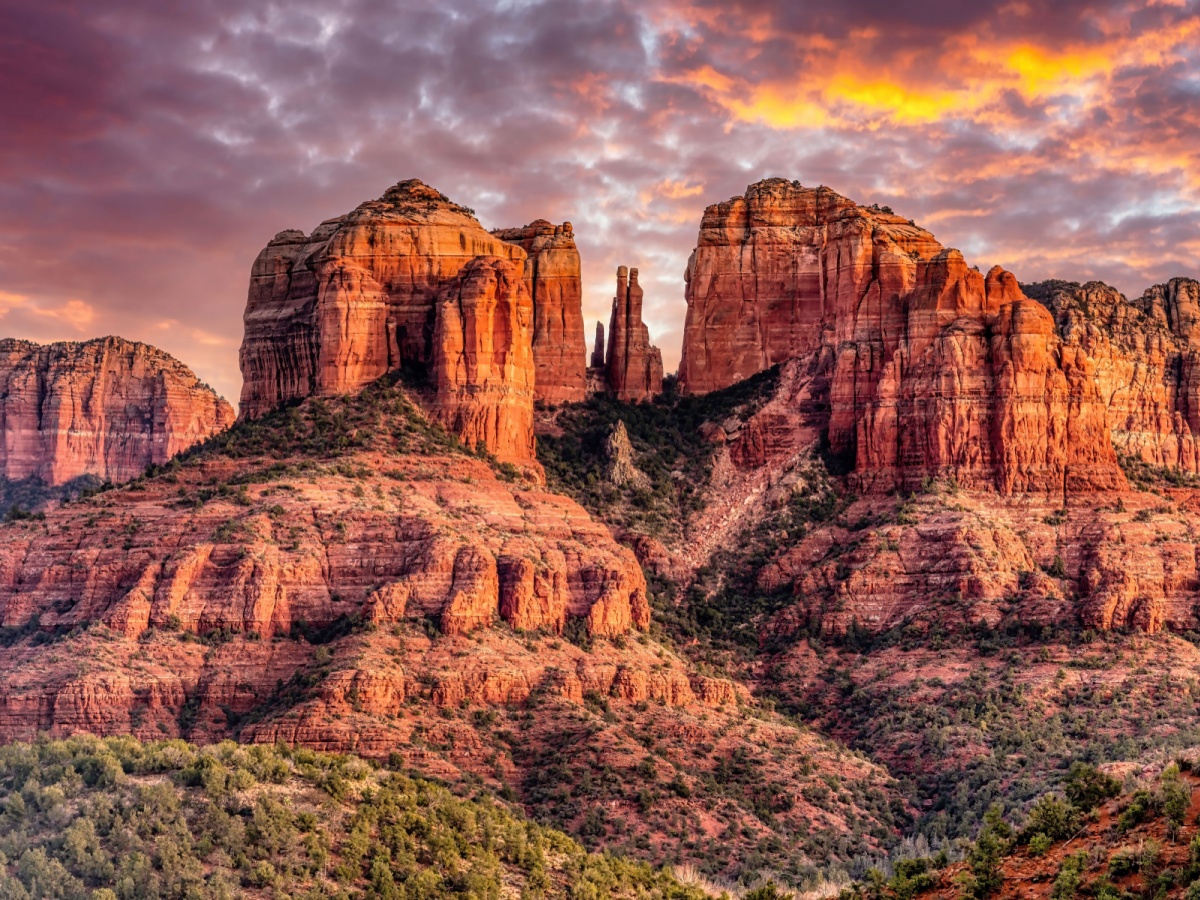
Cathedral Rock consistently ranks among Sedona’s most beloved hikes, combining challenging terrain with profound spiritual energy. This 1.2-mile round-trip trail packs nearly 750 feet of elevation gain into its short distance, making it a strenuous but rewarding climb. The trail’s steepness requires both physical fitness and mental determination, as hikers navigate rocky sections and occasional scrambles.
What distinguishes Cathedral Rock from other hikes is its designation as one of Sedona’s primary vortex sites—areas believed to emanate powerful spiritual energy. I have often experienced the heightened awareness and profound peace that many visitors report while meditating at the summit. The views from the top showcase Sedona’s vast red rock landscape in all directions, with Oak Creek meandering through the valley below.
Sunset transforms Cathedral Rock into a photographer’s paradise, as the setting sun bathes the formations in warm golden light. However, this popular timing means sharing the experience with other sunset seekers, so sunrise offers a more solitary alternative for those willing to wake early.
Bell Rock: Accessible Energy and Panoramic Views
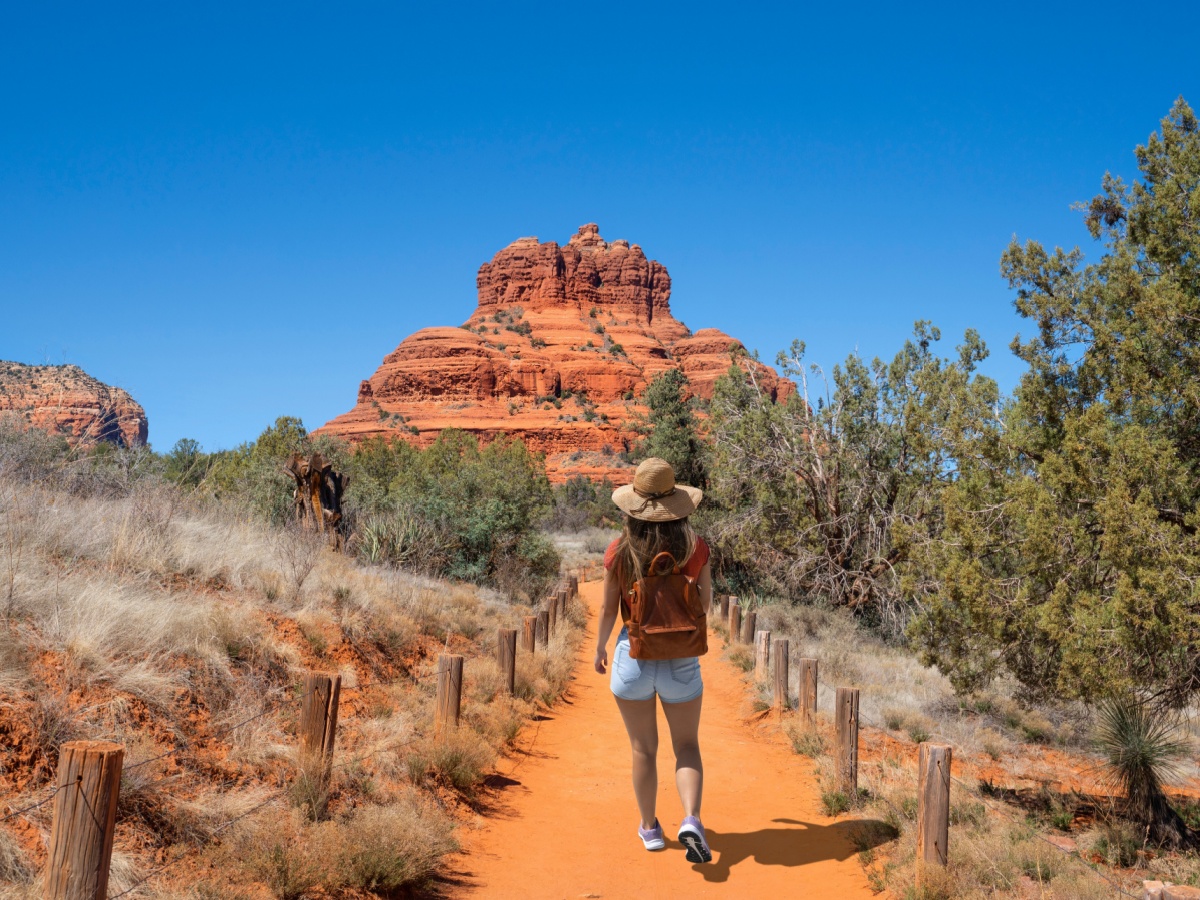
Bell Rock, named for its distinctive bell shape visible from miles away, offers one of Sedona’s most accessible vortex experiences. Multiple trails of varying difficulty encircle this formation, allowing visitors to choose their level of engagement. The Bell Rock Pathway provides an easy-to-moderate option perfect for families and beginners, while steeper paths lead adventurous hikers closer to the formation’s summit.
As a balanced vortex site, Bell Rock harmonizes masculine and feminine energies, making it ideal for meditation focused on personal equilibrium and inner peace. The vortex energy is believed to be strongest about halfway up the formation, where flat areas provide natural meditation spots. Many visitors report feeling renewed clarity and inspiration after spending time at Bell Rock.
The area surrounding Bell Rock also includes the Courthouse Butte Loop, a 4-mile trail offering wide panoramic views of multiple formations. This longer option appeals to hikers seeking a more comprehensive red rock experience while still maintaining moderate difficulty.
Exploring Sedona’s Mystical Vortex Sites
Beyond their geological magnificence, Sedona’s red rocks are renowned for their vortex energy—perceived centers of energy that local spiritual traditions believe facilitate healing, meditation, and spiritual transformation. While skeptics may dismiss vortex phenomena as pseudoscience, the popularity of these sites demonstrates their profound impact on visitors seeking deeper connections with nature and themselves.
Architectural Marvels and Cultural Attractions
While natural wonders dominate Sedona’s landscape, several human-created attractions deserve inclusion in every first-timer’s itinerary. These sites blend seamlessly with their surroundings, offering unique perspectives on art, architecture, and culture.
Chapel of the Holy Cross: Where Architecture Meets Nature
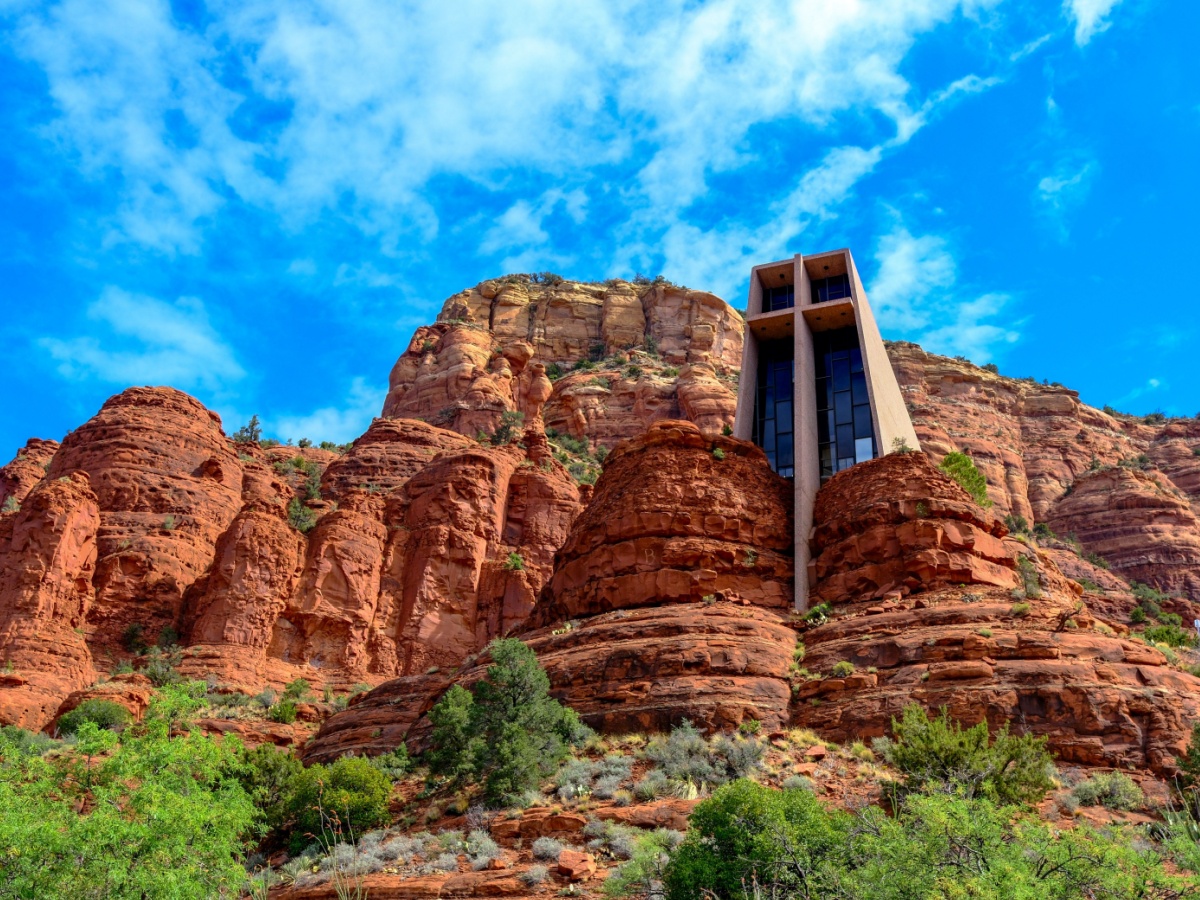
The Chapel of the Holy Cross stands as one of Sedona’s most distinctive landmarks, a modern architectural masterpiece built directly into the red rock cliffs. Completed in 1956, this Roman Catholic chapel welcomes visitors of all faiths who come to experience its serene atmosphere and spectacular views. The chapel’s soaring 90-foot cross rises from the structure, creating a striking silhouette against the red rock backdrop.
Inside, floor-to-ceiling windows frame Cathedral Rock and other formations, creating a seamless connection between the sacred space and the natural world. The chapel operates daily from 9:00 AM to 5:00 PM, with free admission making it accessible to all visitors. Its location also designates it as a vortex site, adding spiritual significance to its architectural beauty.
Parking at the chapel can be challenging during peak hours, with only a small lot accommodating visitors. Arriving early in the morning or later in the afternoon helps avoid the crowds while offering ideal lighting for photography. The short walk from the parking area to the chapel itself provides additional red rock views and photo opportunities.
Thrilling Adventures and Unique Experiences
For visitors seeking adventure beyond hiking, Sedona offers numerous guided experiences that showcase the landscape from different perspectives. These activities combine education with adrenaline, creating memorable moments that complement trail-based exploration.
Natural Waterscapes: Oak Creek Canyon
While Sedona is famous for its arid red rock desert, Oak Creek Canyon introduces lush riparian environments that surprise first-time visitors with their verdant beauty. This 15-mile stretch of Highway 89A between Sedona and Flagstaff features dramatic elevation changes, dense tree canopies, and multiple recreation sites centered around Oak Creek itself.
Slide Rock State Park: Natural Waterslide Fun
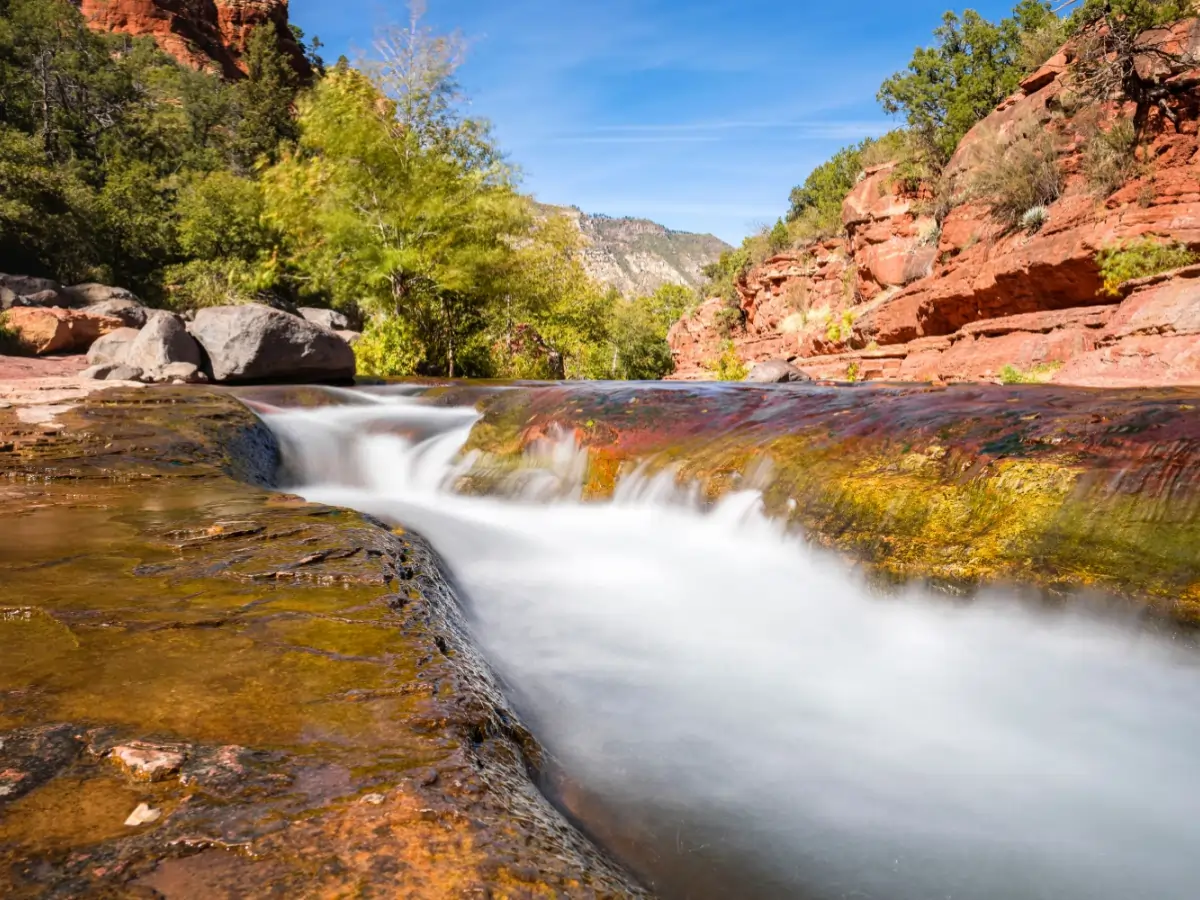
Slide Rock State Park consistently ranks among America’s top 10 swimming holes, offering a unique natural waterslide experience that delights visitors of all ages. The park’s namesake feature—an 80-foot stretch of smooth sandstone—creates a slippery chute naturally lubricated by algae growth. Water temperatures in Oak Creek remain refreshingly cool year-round, typically ranging from 40 to 70 degrees depending on the season.
The slide empties into a series of natural pools perfect for swimming and cooling off during hot summer months. Beyond the slide itself, the park includes half a mile of Oak Creek open for wading and exploring. The area’s history as Frank Pendley’s apple orchard in the early 1900s adds cultural significance, with historic buildings and apple trees still present.
Slide Rock attracts 430,000 visitors annually, with more than half being Arizona residents seeking respite from desert heat. Entrance fees vary by season and day, ranging from $10 per vehicle in winter up to $30 per vehicle on summer weekends and holidays (up to 4 people). Arriving when gates open helps ensure parking availability and a more enjoyable experience before crowds arrive.
West Fork Trail: Shaded Canyon Beauty
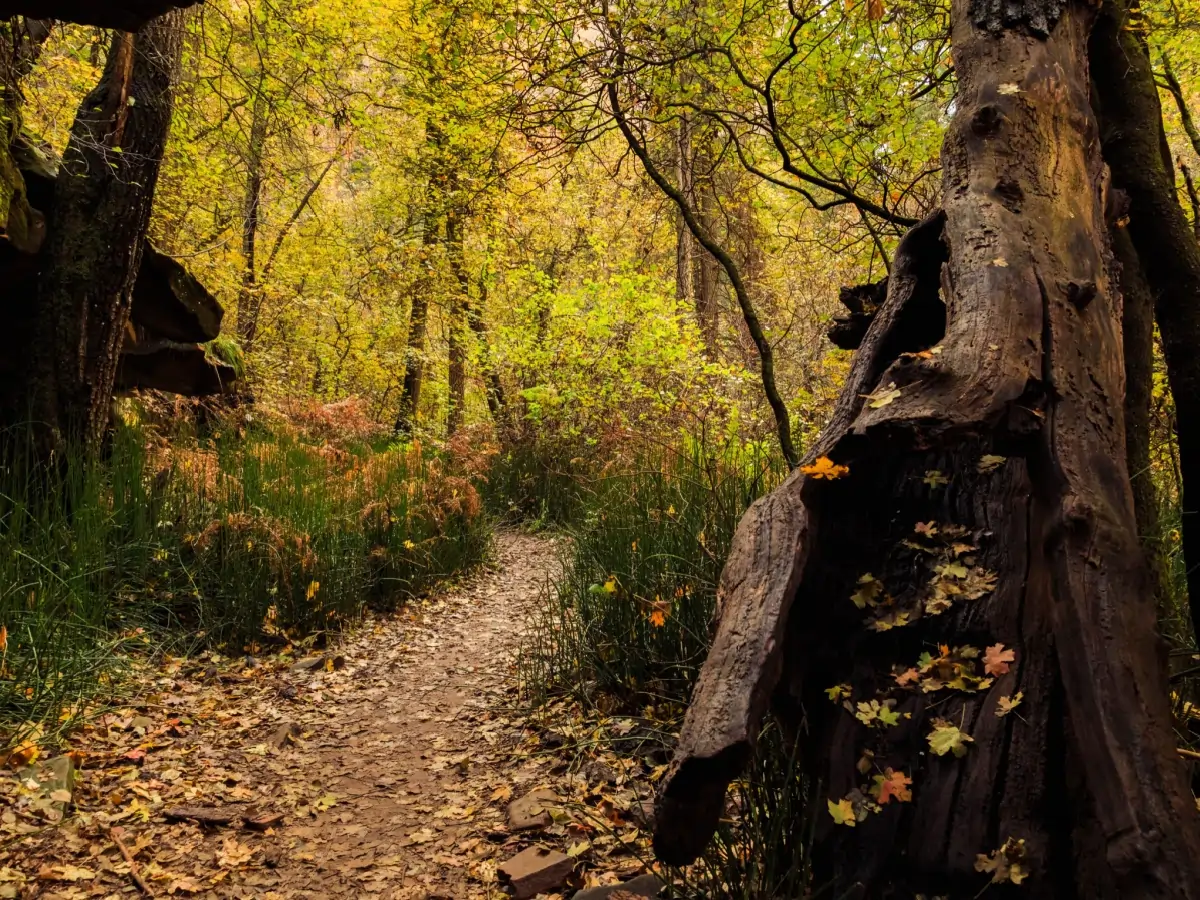
The West Fork Oak Creek Trail ranks as the most popular trail in Coconino National Forest, drawing hikers from around the world to experience its unique ecosystem. This relatively easy 6.75-mile round-trip hike follows a perennial stream through a narrow canyon flanked by towering Coconino sandstone cliffs. Douglas firs, box elders, and bigtooth maples create a dense canopy that provides welcome shade and transforms into brilliant autumn colors each October.
The trail requires multiple creek crossings—typically 13 or more depending on water levels—that add adventure to the journey. Most crossings feature stepping stones or logs, though hikers should anticipate the possibility of wet feet. The combination of water, woods, and natural wonder creates an environment designated as a Research Natural Area in 1931 due to its ecological significance.
Located at the Call of the Canyon Picnic Site along Highway 89A, the trailhead sits approximately 9.5 miles north of Sedona. Unlike trailheads requiring Red Rock Passes, West Fork charges a separate fee of $11 per vehicle, covering up to five people. The trail’s popularity means solitude is rare, but the stunning scenery makes sharing the experience worthwhile.
Culinary Delights: Dining in Sedona
Sedona’s culinary scene has evolved significantly in recent years, offering diverse dining options that complement the area’s natural attractions. From award-winning Mexican cuisine to farm-to-table restaurants with red rock views, the city provides memorable meals for every palate and budget.
Elote Café: Award-Winning Southwestern Cuisine

Elote Café consistently earns recognition as one of Sedona’s finest restaurants, with accolades including Phoenix Magazine’s “50 Best Arizona Restaurants” and a starred review from Fodor’s. Chef and owner Jeff Smedstad draws inspiration from more than 20 years of travel through Mexico, particularly Puebla, Vera Cruz, and Oaxaca, creating dishes that honor traditional recipes while incorporating creative updates.
The menu features seasonal, locally-grown ingredients alongside an extensive selection of premium tequilas and mezcal. My favorite signature dishes include the lamb adobo, smoked pork cheeks, and the restaurant’s namesake fire-roasted elote corn appetizer. The Mexican chocolate pie and other house-made desserts provide sweet endings to exceptional meals.
Located at 350 Jordan Road, Elote Café operates Tuesday through Saturday starting at 5:00 PM. Reservations open 60 days in advance at midnight. If you can’t snag a table, the bar seating is first-come, first-served and offers the full menu.
The dining room offers cozy ambiance, while the outdoor deck provides stunning red rock views that enhance the overall experience. Despite its upscale cuisine, the atmosphere remains casual, welcoming diners in everything from hiking boots to dressy attire.
Additional Dining Recommendations
Sedona’s dining landscape extends far beyond one restaurant, with numerous options catering to different preferences. Mariposa earns frequent recommendations for its spectacular views and elevated Latin-inspired cuisine. Indian Gardens Café & Market in Oak Creek Canyon offers charming breakfast and lunch options with creek views. Freeform Coffee Roasters and Black Potion Coffee serve specialty roasted beans for caffeine enthusiasts.
For family-friendly options, Wildflower provides reasonably priced breakfast and lunch with red rock vistas from its patio. Pisa Lisa draws crowds for what locals consider the best pizza in Sedona, with an attached gelato counter for dessert. The diverse restaurant scene ensures visitors find satisfying meals regardless of budget or cuisine preferences
Best Times to Visit Sedona
Sedona’s peak seasons run from March through May and September through mid-November, when comfortable temperatures create ideal conditions for outdoor activities. Spring brings wildflower blooms and temperatures ranging from mid-60s to low 80s Fahrenheit, while fall offers brilliant foliage and similarly pleasant weather. However, peak seasons also mean larger crowds, higher lodging prices, and parking challenges at popular trailheads.
Summer (June through August) brings hot temperatures—often reaching the mid-90s—but fewer crowds and lower prices. The monsoon season typically begins in early July, featuring dramatic afternoon thunderstorms that provide spectacular lightning displays and brief temperature relief. Summer visitors should plan outdoor activities for early mornings or evenings to avoid the most intense heat.
Winter (December through February) offers the best deals and smallest crowds, with temperatures typically ranging from 35°F to 58°F. Snow occasionally dusts the red rocks, creating stunning photographic opportunities. While some higher-elevation trails may become icy, most remain accessible throughout winter months.
The absolute best weather occurs in April, May, September, and October, when temperatures hover in the comfortable 60s to 80s range with minimal precipitation. These months justify their popularity despite the accompanying crowds and elevated costs.
Navigating Parking and Transportation
Parking represents Sedona’s single biggest challenge, with popular trailheads reaching capacity by 7:00 AM during peak seasons. The Red Rock Pass serves as a required parking permit for most trailheads on National Forest land. Daily passes cost $5, weekly passes $15, and annual passes $20, available at trailhead kiosks, visitor centers, and local shops.
Those holding an America the Beautiful National Parks pass can use it in place of a Red Rock Pass at most Forest Service locations. However, some sites like West Fork Trail, Crescent Moon Ranch, and state parks charge separate entrance fees. Online pass purchases through Recreation.gov require entering your vehicle’s license plate number for enforcement purposes.
The Sedona Shuttle system provides a free alternative to driving and parking hassles. The Sedona Shuttle is mandatory for access to popular trailheads like Cathedral Rock and Soldier Pass trailheads during operational hours (typically Thursday–Sunday, but daily during Spring Break and major holidays). Private parking at these trailheads is closed while the shuttle is running; you must use the free Park & Ride lots.
Essential Visitor Tips
First-time visitors should prioritize arriving early at popular destinations, ideally before 7:00 AM, to secure parking and enjoy trails before crowds arrive. Bringing plenty of water—at least one gallon per person for full-day activities—prevents dehydration in the high desert environment. Sturdy hiking shoes with good traction are essential, as Sedona’s rocky trails challenge inappropriate footwear.
Practicing Leave No Trace principles helps preserve Sedona’s beauty for future generations. Stay on designated trails, pack out all trash (including dog waste bags), and avoid creating new social trails or disturbing natural features. The area’s popularity means your actions significantly impact others’ experiences, so being courteous on trails and at viewpoints maintains the quality everyone seeks.
Sedona receives intense sun exposure year-round, making sunscreen, hats, and sun-protective clothing necessary regardless of season. Check the National Weather Service heat advisories before heading out.
In summer, ‘moderate’ hikes become dangerous by 10:00 AM. If you are hiking with a dog, the ‘7-second rule’ applies: if the rock is too hot for your hand for 7 seconds, it will burn their paws.
Cell phone service can be unreliable in remote areas, so downloading trail maps beforehand ensures navigation capability. Finally, respect wildlife by observing from a distance and never feeding animals.
Ready to Explore Sedona?
Ready to turn your Sedona daydreams into real red rock memories? Stay with us at Sedona.Org and enjoy comfy homes, local tips, and easy access to all the must‑see spots. Browse our Sedona vacation rentals and book your stay today so you can start planning the fun.
If you enjoy mountain charm, check out Retreatia in Steamboat Springs. Their Colorado rentals offer a cool alpine contrast to the Arizona desert. Experience snowy peaks or summer trails with the same local expertise you expect in Sedona.